If two organisations both ask for leadership training on difficult conversations, they might need very different workshops. In one, supervisors are putting off conversations about slipping standards. In the other, managers need to get better at giving feedback to experienced employees who work independently. The topic is the same. The conversations leaders need to practise are different.
When you’re comparing training providers, ask them to show you how they’ll turn one of your workplace challenges into a workshop activity. Their answer should give you a clear picture of what your leaders will practise and how they’ll use it back at work.
Start with what your leaders need to do differently
A provider should ask how your leaders work now, where they need support and what a better outcome would look like. People & Culture can bring insights from employee feedback and conversations with managers. Operational leaders can bring examples of where decisions stall or expectations get lost between teams. Where priorities vary across leadership levels or business units, a training needs analysis can help decide what to cover together and what each group needs to practise.
Use your workplace examples and processes
If the goal is more consistent performance conversations, participants could practise with a de-identified scenario drawn from your workplace. They can use your organisation’s process to prepare, agree on next steps and decide how to follow up. Your policies and procedures help inform the exercise, so leaders can use the same approach when a similar situation arises at work.
Choose the topics and delivery to suit the group
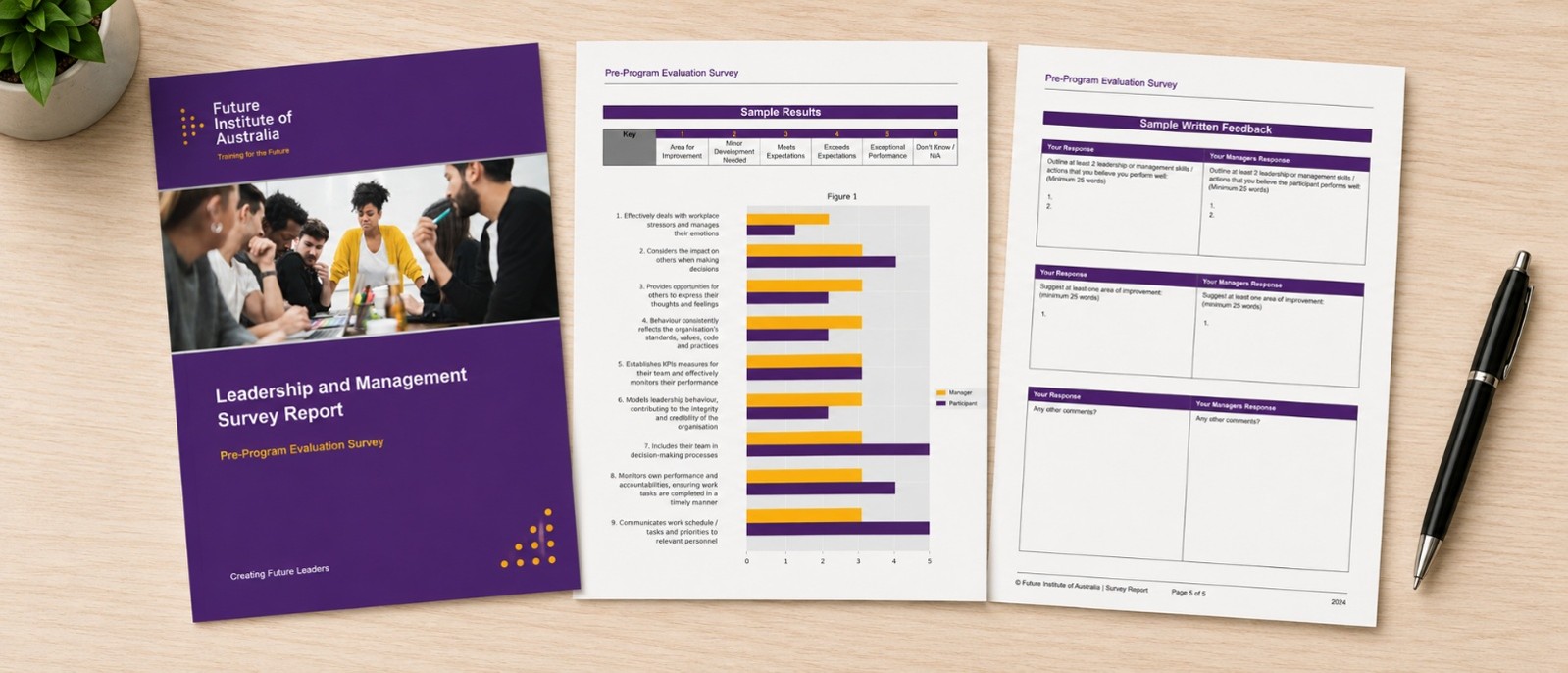
A group of supervisors might need more time to practise delegation and feedback, while experienced managers might focus on coaching and leading change. A customised program should give you room to choose the topics and spend more time where your leaders need it. Short self-assessments (diagnostic tools) before a workshop can help participants reflect on habits such as how they communicate or respond to conflict.
Build in time to apply the learning
When workshops are spaced out, leaders can try a new approach at work and bring a real example back to the group. Agree upfront on what their managers can look for afterwards, such as clearer delegation or more consistent follow-up after performance conversations. That gives your organisation something concrete to review before deciding what support leaders need next.